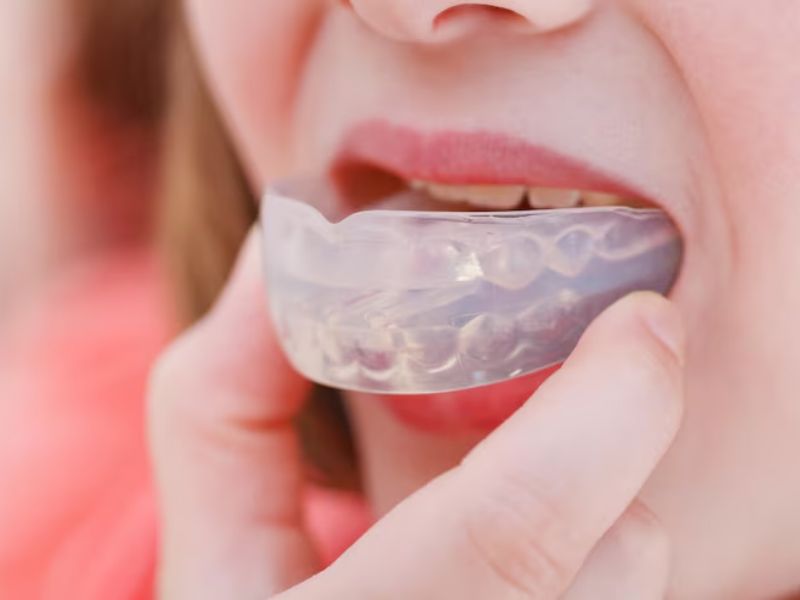
If you grind your teeth at night or clench your jaw while you sleep, a nightguard can protect your teeth from damage. You might wonder whether you should wear a nightguard on your upper teeth or lower teeth. The simple answer is that most people get better results wearing a nightguard on their upper teeth, but your own situation might be different. The best choice for you depends on how you grind, the way your teeth fit together, and what your dentist says after looking at your teeth carefully.
Understanding Why Nightguards Help
Your teeth are tough, but grinding and clenching put enormous pressure on them. Think about how hard you can bite down. Now imagine that pressure happening over and over again all night long while you sleep. Over time, this constant grinding wears down your tooth surfaces. It can crack your teeth and cause pain in your jaw and face. A nightguard works like a protective cushion between your upper and lower teeth. It takes the force from grinding instead of letting your teeth take all that damage. It’s similar to wearing a mouthguard when you play sports.
Many people don’t even know they grind their teeth at night. You might wake up with a sore or tired jaw. Your partner might tell you they hear grinding sounds while you sleep. Your dentist might notice flat spots or worn areas on your teeth during checkups. These are all signs that a nightguard could really help you feel better.
Why Upper Teeth Nightguards Work Best for Most People
Most dentists recommend wearing a nightguard on your upper teeth, and there are good reasons for this choice. Your upper teeth stay still when you sleep, so a nightguard sits in one place and stays secure. When you wear a nightguard on your lower teeth, your jaw moves around while you sleep. This movement pushes the guard around, and it doesn’t protect your teeth as well. The guard might shift out of position or even fall out during the night.
Upper nightguards feel more comfortable for many people too. Your upper teeth are anchored firmly in your jaw, so the guard feels stable and doesn’t move. You’re less likely to accidentally swallow it or wake up with it somewhere else in your mouth. When you visit for night guards in NE Calgary, most patients choose upper guards because they work better for grinding and clenching problems.
When Your Dentist Might Recommend a Lower Nightguard
Sometimes your dentist might suggest a lower nightguard instead of an upper one. If you have certain bite problems or your teeth don’t line up perfectly, a lower guard might work better for you. Some people have crowding on their lower teeth that makes wearing an upper guard feel uncomfortable. Others have had dental work on their upper teeth, like crowns or bridges, that makes a guard there difficult. Your dentist will look at how your teeth are shaped and positioned when making this decision.
What an Orthodontist Looks For
An orthodontist in NE Calgary has special training in how teeth fit together and how your jaw moves. They examine your bite pattern very carefully. They look at which teeth take the most pressure when you grind. They think about any dental work you’ve had done. They consider whether you have crowding or spacing issues. All these things help them decide whether upper or lower placement works best to protect your teeth.
Your orthodontist might even suggest wearing both an upper and lower nightguard if you grind very hard. Some patients get better protection this way, especially if they clench their jaw intensely or grind throughout the entire night. This isn’t necessary for everyone, but your dentist will talk to you about this option if they think it would help your situation.
How Your Dentist Makes the Right Choice for You
Your orthodontist near you will spend time examining your teeth closely. They look for wear patterns that show where grinding happens most. They check how your upper and lower teeth come together when you bite down. They ask you about your symptoms and when you notice jaw problems. They might take X-rays to see if there’s any hidden damage inside your teeth. All this information helps them make the best recommendation for you.
Getting the Most from Your Nightguard
Whichever guard your dentist recommends, wearing it every single night is really important. Even when you’re travelling or staying somewhere else, bring your guard and wear it. Clean it gently each morning with soap and warm water. Keep it in a protective case so it doesn’t get damaged. If your guard becomes uncomfortable or doesn’t fit right anymore, call your dentist right away. A nightguard only protects your teeth when you’re actually wearing it.
Protect Your Smile While You Sleep
Grinding and clenching can cause serious damage to your teeth over many years, but a properly fitted nightguard stops this damage from happening. Whether you need an upper or lower guard depends on your unique bite, how your teeth are positioned, and your grinding patterns. Totally Orthodontics’ dentist will examine you carefully and recommend the option that protects your teeth the very best. Don’t wait until your teeth are badly damaged to get help. Schedule an appointment with us today and start protecting your smile while you sleep. Your future self will thank you for taking action now.
Frequently Asked Questions
Should you wear a nightguard on your upper or lower teeth?
We recommend wearing nightguards on your upper teeth because they tend to stay in place more comfortably and more securely for longer periods of time. However, your dentist may advise you to wear the guard on your lower teeth instead, depending on your bite and tooth positions.
Which is better: upper or lower nightguard?
Upper nightguards are superior for most individuals because the upper teeth do not move.
Can I wear a nightguard on both upper and lower teeth?
Yes, some people with very heavy grinding benefit from wearing guards on both upper and lower teeth to get maximum protection against tooth damage.
How do I know if I need a nightguard?
Signs include waking with jaw pain or headaches, seeing worn flat spots on your teeth, or your dentist telling you that your teeth show signs of grinding damage.