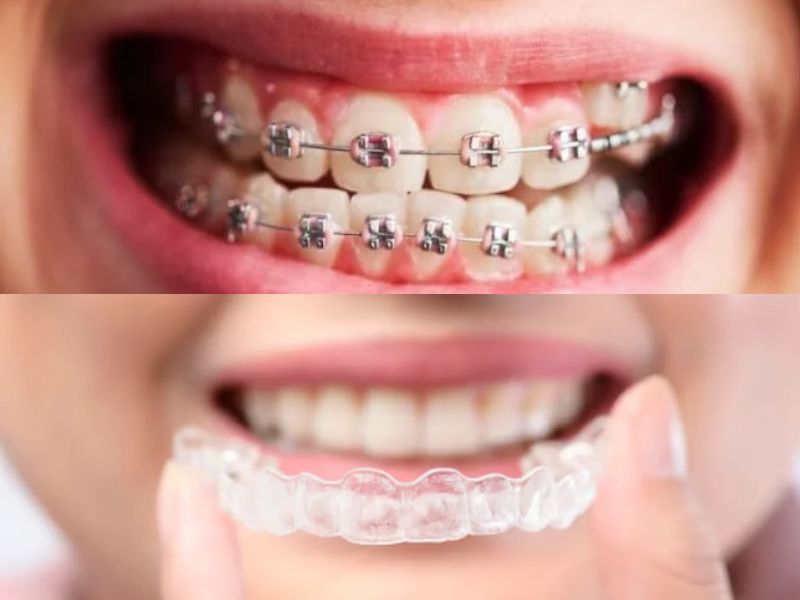
If you are thinking about straightening your teeth, you may be wondering whether traditional braces have to come first. Can you get Invisalign without having braces first? In many cases, yes. Clear aligners can be used as the primary orthodontic treatment rather than as something you move on to after braces. Whether Invisalign is suitable for you, however, depends on your teeth, bite, and the type of movement required.
How Does Invisalign Work?
Invisalign uses a series of custom-made clear aligners that gradually guide your teeth toward their planned positions. Each set is worn for a prescribed amount of time before you move to the next stage.
If you are considering Invisalign in NE Calgary, your first step is an orthodontic assessment. Your teeth and bite need to be examined so your provider can determine whether clear aligners can accomplish the movements needed in your particular case.
The aligners are removable, but they still need to be worn consistently each day for treatment to progress as planned.
Do You Ever Need Braces Before Invisalign?
Not everyone needs braces first. Some patients can begin with clear aligners and use them throughout their entire orthodontic treatment.
In other situations, the movements required may be more predictable with braces or with a combination of orthodontic approaches. The complexity of your bite, tooth position, jaw relationships, and other factors all influence this decision.
That is why someone else’s treatment plan may look completely different from yours, even if your smiles appear similar at first glance.
Is Invisalign a Good Alternative to Traditional Braces?
For suitable patients, is Invisalign a good alternative to traditional braces? It can be, but the two treatments should not be viewed as interchangeable in every situation.
Clear aligners offer several practical advantages. You can take them out before you eat, and when you brush and floss, their transparent appearance makes them more discreet.
Braces have their own advantages. These may work best for certain complex movements or bite issues. Instead of making a choice based solely on how they look, it helps to understand which one best addresses your needs.
What Happens During an Invisalign Assessment?
An orthodontist in NE Calgary will evaluate more than whether your front teeth look crooked. Your bite, spacing, crowding, tooth position, and overall oral health can all affect treatment planning.
Digital scans, photographs, or X-rays may also be needed. These records provide information about your teeth and supporting structures that may not be visible during a visual examination.
Once the assessment is complete, you can discuss whether Invisalign is appropriate and what treatment may involve.
Who May Be a Good Candidate?
Clear aligners can address a range of orthodontic concerns, but successful treatment also requires commitment. Because the trays are removable, you are responsible for wearing them for the recommended number of hours.
An orthodontist near you may consider factors such as your bite, the amount of crowding or spacing, and your ability to follow the prescribed wear schedule before recommending treatment.
If aligners are out of your mouth too much, your teeth may not move according to plan.
What If Invisalign Is Not Right for You?
Being told that clear aligners are not the preferred option does not mean you cannot improve your smile. It simply means another orthodontic approach may provide more predictable movement for your needs.
Your provider can explain why a particular treatment is recommended and discuss available alternatives. It is worth asking questions to understand the reasoning behind the plan, rather than focusing only on the type of appliance being used.
Choosing the Right Starting Point!
You do not necessarily have to wear braces before going for Invisalign. What is most important is choosing an approach that best suits your needs.
Contact Totally Orthodontics to schedule a consultation and find out which treatment approach may be appropriate for your smile.
FAQs
Is there an age limit for starting Invisalign?
There is no single upper age limit. Adults can be candidates as long as their oral health and orthodontic needs make clear aligner treatment appropriate.
Do clear aligners affect your speech?
You may notice a temporary difference in speech when you first begin wearing aligners. Many people adjust as their tongue becomes accustomed to the trays.
Can you play sports while wearing clear aligners?
You can usually continue participating in sports, but aligners are not a substitute for a protective mouthguard. Ask your provider what to wear during contact or high-impact activities.
What happens if you lose one of your aligners?
Contact your orthodontic provider rather than automatically moving to another set. The appropriate next step depends on where you are in your treatment.