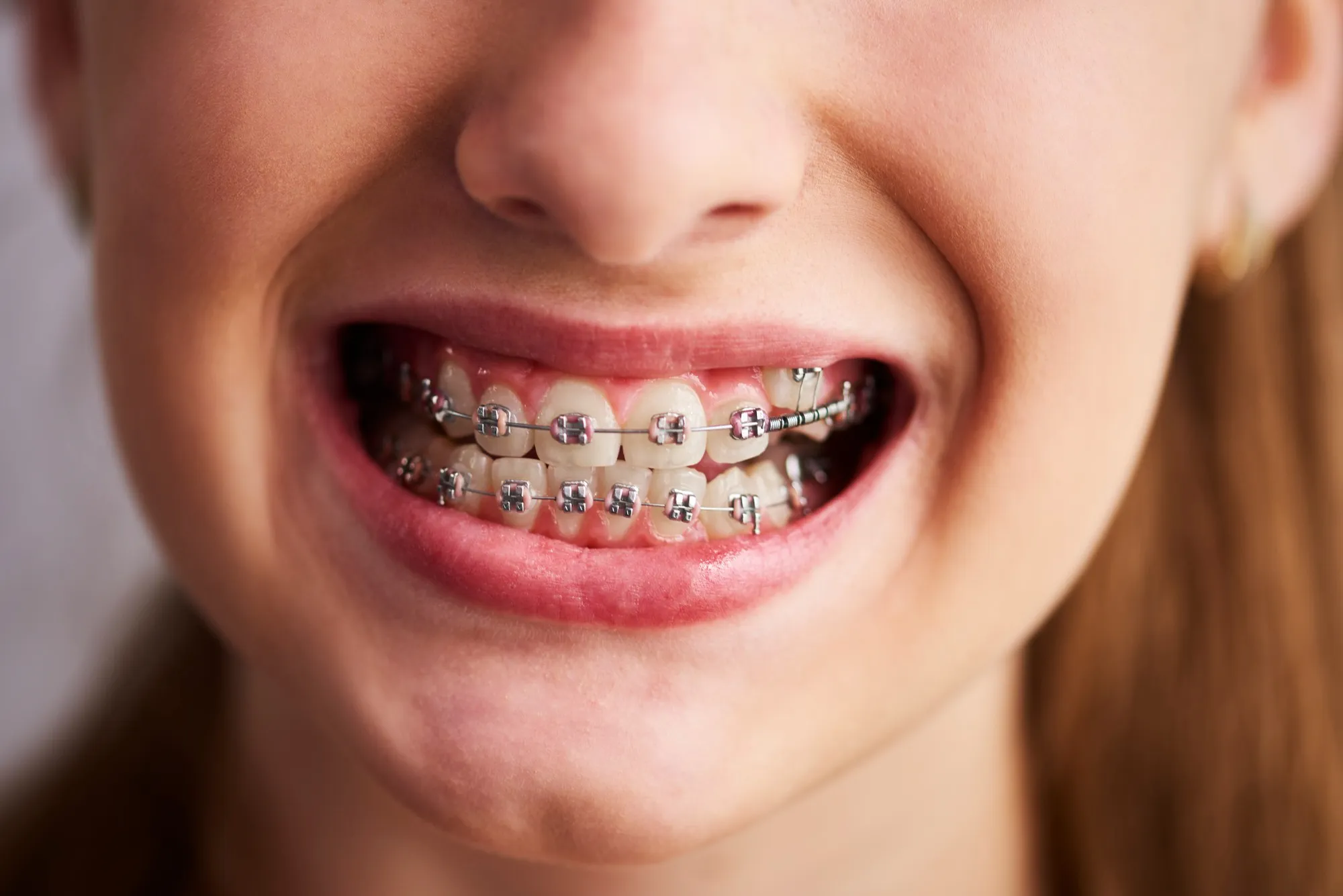
Starting your journey toward a straighter smile is exciting, but it is normal to feel a bit nervous about the discomfort. If you just visited a dentist in NE Calgary to get your appliances fitted, you likely have some questions about what comes next. The good news is that while your mouth needs time to get used to the new hardware, the initial soreness is only temporary.
Understanding the timeline of adjustment can help you feel more in control. Most patients find that the first few days are the most challenging, but your body is remarkably good at adapting to change.
Understanding the Adjustment Period
When you first get your braces, your teeth and gums will feel some pressure. This is because the brackets and wires are actively moving your teeth into their new positions.
How Long Does the Braces Pain Last
For most people, the peak discomfort occurs within the first 24 to 72 hours. After about a week, the sharp soreness usually fades into a mild tightness. By the second week, you will likely forget you are even wearing them most of the time.
Timeline of Recovery
| Timeframe | What to Expect |
| Day 1 | Immediate pressure; teeth feel tender when biting. |
| Days 2-3 | Peak sensitivity; soft foods are recommended. |
| Days 5-7 | Significant reduction in pain; speech returns to normal. |
| Week 2 | Gums and cheeks toughen up; discomfort is minimal. |
Tips to Manage Discomfort
Knowing how to reduce pain after getting braces can make your first week much easier. You do not have to sit through the ache; there are several simple ways to find relief at home.
- Stick to soft foods: Reach for yogurt, mashed potatoes, and smoothies.
- Use orthodontic wax: If a bracket is rubbing against your cheek, a small piece of wax creates a smooth barrier.
- Saltwater rinses: Mixing a teaspoon of salt in warm water helps heal any small sores in your mouth.
- Cold compresses: Drinking ice-cold water or applying an ice pack to your jaw can naturally numb the area.
How to Adjust to Braces
Learning how to adjust to braces involves more than just managing pain; it is about changing your daily habits. You will need to learn new ways to brush and floss to keep your appliances clean. It may feel clunky at first, but within a few days, your tongue and cheeks will adapt to the new space in your mouth.
Why the Transition is Worth It
While the first few days require some patience, the result is a healthy, beautiful smile. If you have been searching for an orthodontist near you to start this process, it is important to choose a team that prioritizes your comfort. Professional guidance ensures that your braces treatment near you stays on track and that any issues are addressed quickly.
Most patients find that after the first month, they experience only minor soreness for a day or two after a tightening appointment. This is a sign that your treatment is working!
Moving Toward Your New Smile
Adjusting to life with braces is a rite of passage for many people. While the initial “tight” feeling can be annoying, it is a very small price to pay for a lifetime of confidence. Keep your end goal in mind, follow your dental team’s care instructions, and remember that the discomfort is a sign of progress.
If you are ready to transform your smile, we are here to help you every step of the way. Our team focuses on making sure your experience is as smooth and comfortable as possible from start to finish.
Ready to start your journey? Contact Totally Orthodontics today to book an appointment and discover your best smile yet!
Frequently Asked Questions
What foods should I eat during the first week?
Stick to soft options like soup, pudding, and scrambled eggs to avoid putting extra pressure on your sensitive teeth.
Can I play sports with new braces?
Yes, you can play sports, but you should wear a mouthguard to protect your cheeks and lips from the brackets.
Does getting braces put on hurt?
The process of putting them on is painless; the soreness only begins a few hours later, as the teeth start moving.
How often are braces tightened?
Adjustments usually occur every 4 to 8 weeks, depending on your specific plan, to keep your teeth moving correctly.
Will the brackets cut my cheeks?
Your cheeks may get irritated at first, but they will eventually toughen up and get used to the metal surface.