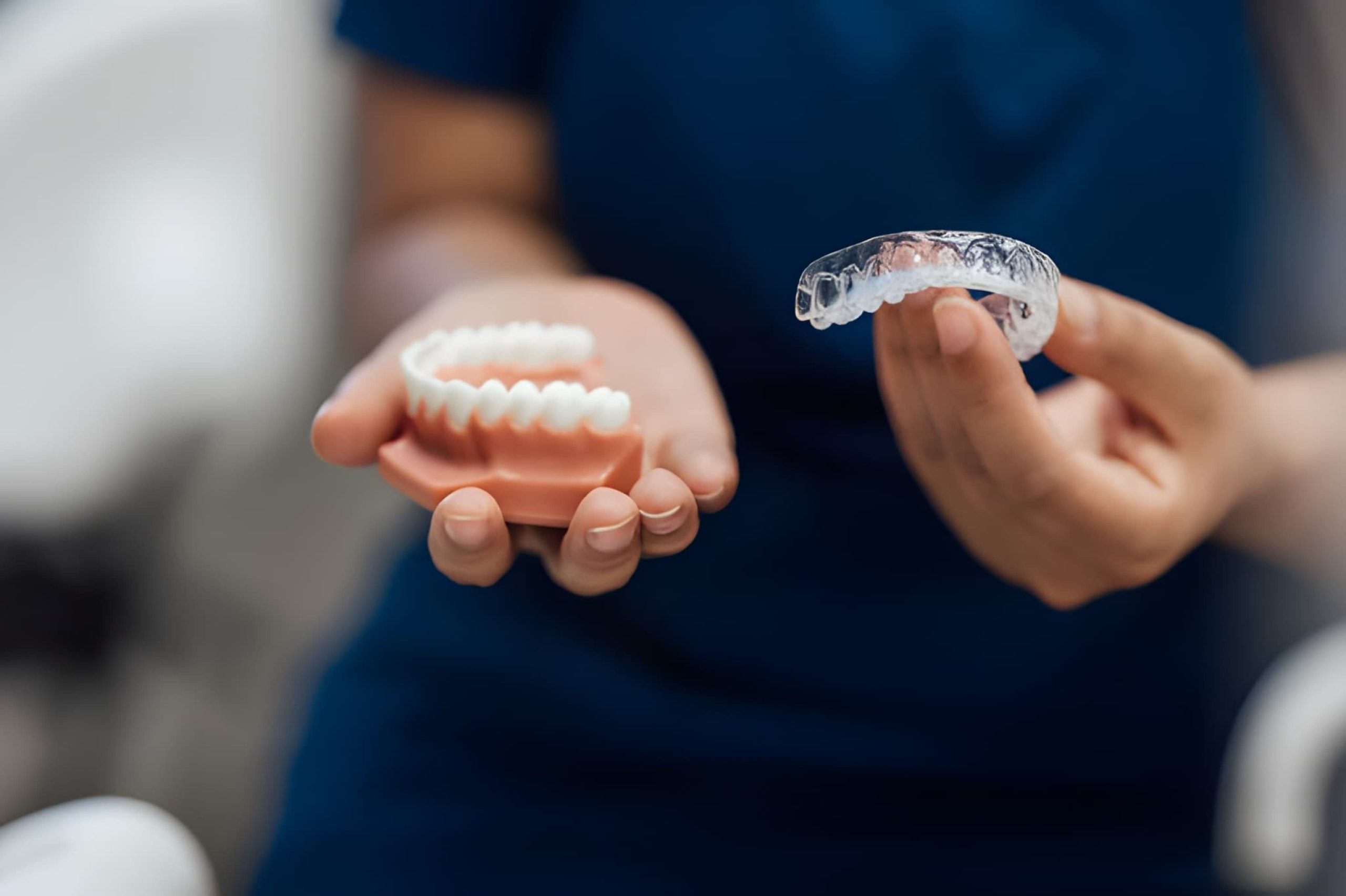
More adults today want healthier, straighter teeth without feeling self-conscious during treatment.
Modern orthodontic options offer better comfort, better aesthetics, and better results than ever before.
This includes choices like metal & ceramic braces in NE Calgary, which make it easier for adults to fix alignment issues at any age.
Why More Adults Are Choosing Braces Now
Adults are now more aware of how their smile affects confidence, first impressions, and long-term oral health.
Many people also realize that bite issues do not fix themselves. Small gaps, crowding, or shifting teeth can get worse over time.
Common reasons adults begin orthodontic care include:
- Late or incomplete treatment during childhood
- Teeth shifting after removing old retainers.
- Difficulty in chewing or speaking
- Jaw discomfort caused by a misaligned bite
- A personal desire for a more confident smile
What Orthodontic Treatment Looks Like for Adults
Adult treatment plans are designed around work schedules, family responsibilities and your lifestyle needs.
They are flexible, predictable and discreet in nature. During your visit, your orthodontist in NE Calgary will begin checking your teeth and jaw, talk about your goals, and recommend options based on alignment severity and your comfort preferences.
Are Braces Even Effective for Adults?
Yes. Adult teeth move more slowly than children’s, but treatment still works very well. Consistency matters more than age.
The mechanics of braces remain the same; steady pressure shifts teeth into healthy positions over time.
Adults typically see:
- Strong bite improvements
- Enhanced facial symmetry
- Reduced long-term dental wear
- Better gum health around straightened teeth
Types of Braces Adults Commonly Choose
Today’s choices make treatment easier to commit to. Many adults pick based on comfort and appearance rather than just function.
Here’s a quick comparison:
| Option | What Adults Like | Best For |
| Metal braces | Durable, efficient, lower cost | Crowding, major alignment issues |
| Ceramic braces | Tooth-coloured, less noticeable | Adults who want subtle treatment |
| Clear aligners | Removable, minimal appearance | Mild to moderate alignment |
Some patients choose metal braces for adults because they are strong and reliable, especially for more complex bite problems.
Are Braces Right for Every Adult?
Not necessarily. If someone has gum disease, loose teeth, or major bone loss, the orthodontist may need to address those issues first.
Good oral hygiene and stable dental health are key to successful treatment. Choosing braces for adults near you makes ongoing visits easier and helps you stay consistent with adjustments and check-ups, which is essential for stable results.
Why Working With the Right Clinic Matters
Adult treatment requires careful planning, frequent monitoring, and personalized adjustments. A supportive team helps you stay comfortable and confident throughout the process.
A Straighter Smile Is Possible at Any Age
Getting braces as an adult is more common than ever, and far more convenient.
You’re never “too old” to improve your smile or fix your bite. With the right orthodontic care, you can achieve results that look great and support your long-term dental health.
If you’re thinking about treatment, Totally Orthodontics is here to guide you every step of the way.
Schedule an appointment with our team today.
FAQs
Are braces slower for adults than for teens?
Teeth can move a bit more slowly in adults, but treatment is still highly effective. The total time depends more on alignment complexity and patient consistency.
Will braces affect my work or daily routine?
Not much. There may be slight soreness after adjustments, but most adults continue normal activities immediately. Modern braces are discreet and easy to get used to.
Do adults experience more discomfort than kids?
Usually not. Soreness is similar for all ages and typically lasts only a day or two after adjustments. Warm saltwater rinses help ease irritation.
What if I only want to straighten a few teeth?
Orthodontists can often treat mild spacing or crowding with targeted plans. The right approach depends on your bite, not just tooth position.